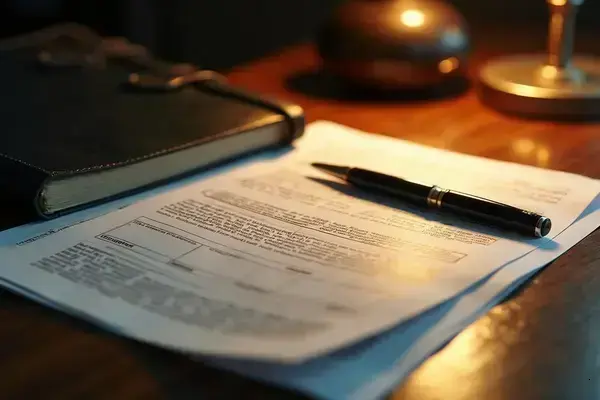
Picture this: a tiny missing signature derails your family’s plans, exactly when they need stability most. Estate paperwork seems small—until it’s the whole world.
People tend to put off estate planning, thinking it’s only for the wealthy or older folks. But when key documents aren’t handled, families can face court battles, frozen assets, and extra heartache at the worst possible time. The anxiety can linger for years.
By the time you finish this article, you’ll know exactly which estate planning checklist essential documents every person needs to protect their loved ones and legacy. Ready to see what could make all the difference?
What Is Estate Planning And Why It Matters
What stops most people from preparing an estate plan? Usually, it’s the nagging sense that “it’s just for the wealthy” — or that legal jargon is too confusing. But estate planning truly impacts everyone, whether you rent a small apartment or own several properties. You might wonder, isn’t a will enough?
Here’s the thing: estate planning is the deliberate process of deciding, upfront, what happens to your money, belongings, and even your care if you’re unable to make decisions yourself. It’s about more than just passing on assets. It ensures your wishes are honored, reduces the risk of family conflicts, and prevents loved ones from facing costly court battles or frozen accounts at the worst possible time.
💡 Pro Tip: The American Bar Association recommends updating your estate plan after any major life change, like marriage, a move, or having a child. This ensures your documents accurately reflect your current wishes and situation.
In practice: imagine you have a serious medical emergency. If you haven’t completed basic estate documents, your family might be unable to access your accounts or make decisions about your treatment — even if you trust them completely. A thorough estate plan, which includes instruments like a living will and financial power of attorney, solves this in advance.
Main Components of Estate Planning
- Will: Specifies who inherits your assets and appoints guardians for minor children.
- Healthcare directives: Outlines preferred medical care and end-of-life wishes.
- Trust: Allows for more detailed control over how and when assets are distributed.
- Power of attorney: Authorizes someone you trust to make financial or medical decisions if you’re unable.
| Type | Protects | Common Misconception |
|---|---|---|
| Will | Assets, minor children | Assumes all property transfers immediately |
| Trust | Property, privacy | Only for the ultra-wealthy |
| Healthcare Directive | Your medical wishes | Only needed in old age |
And honestly? Getting professional advice from a qualified estate attorney or licensed financial planner is essential — laws vary by state, and one missed detail can have a ripple effect for years.
But there’s one detail most owners completely overlook until it’s too late…
Key Risks Of Missing Essential Documents
What really happens if you don’t have those critical estate planning documents ready? It’s easy to assume your wishes will “just work out.” The reality is far riskier — and the stress falls on the people you care about most.
Lack of a will or power of attorney doesn’t just create confusion. Courts may freeze your accounts for months, even years, while they determine who can act on your behalf. That delay could mean missed mortgage payments, lost assets, or medical choices nobody wanted.
⚠️ Important Warning: According to the National Association of Estate Planners & Councils, the absence of updated legal documents can dramatically increase costs, leaving families to pay thousands in probate fees and attorney charges they could otherwise avoid.
Picture this scenario: your closest relative discovers you don’t have an updated healthcare directive when you’re hospitalized. Instead of honoring your wishes, doctors have to follow default state laws. Family members often find themselves disagreeing, guilt-ridden, or shut out of decisions entirely. It’s a recipe for lasting resentment.
Top Risks of Missing or Outdated Documents
- Probate Delays: Estates without a clear will enter probate, dragging out distributions and eating away at assets through legal fees.
- Financial Chaos: No durable power of attorney? Bills can’t be paid, investments go unmanaged, and late fees pile up fast.
- Healthcare Gridlock: Without living wills or healthcare proxies, critical medical decisions may be made by default, not by people you trust.
- Family Conflict: When plans aren’t spelled out, emotions can trigger battles between siblings, in-laws, and other relatives—often ending up in court.
| Risk | Consequence | Who’s Affected |
|---|---|---|
| No Will | Assets distributed by state law, not preferences | All legal heirs (including estranged relatives) |
| No Power of Attorney | Frozen accounts, unpaid bills | Spouses, dependents, business partners |
| No Healthcare Directive | Unwanted medical procedures or disputes | Family, appointed caretakers |
The truth is, fixing these issues after the fact is rarely simple — or cheap. One hour with a local estate lawyer or certified financial planner can prevent months of uncertainty for your loved ones.
What actually works might surprise you…
The 10 Must-Have Documents For Your Estate Plan
What exactly should be in your estate plan? There’s no shortage of advice—and plenty of overwhelm—so here’s the clear, practical list trusted advisors use when guiding real families. Each document serves a very specific role, reducing legal headaches and giving loved ones a roadmap when it matters most.
- Last Will and Testament
- Living Trust
- Durable Power of Attorney
- Healthcare Power of Attorney
- Living Will (Advance Healthcare Directive)
- HIPAA Authorization
- Beneficiary Designations
- Guardianship Designations
- Letter of Intent
- List of Digital Assets
Let’s break down the must-haves:
| Document | Purpose | When Needed Most |
|---|---|---|
| Will | Controls asset transfers, appoints guardians | After death |
| Living Trust | Avoids probate, manages complex assets | Incidents of incapacity & after death |
| Durable POA | Lets another handle finances | If incapacitated |
| Healthcare POA | Appoints decision-maker for medical care | If incapacitated |
| Living Will | Specifies treatment preferences | Serious illness or injury |
| HIPAA Authorization | Provides access to health info | Any time |
| Beneficiary Forms | Ensures insurance, retirement assets go directly | Upon death |
| Guardianship | Names guardian for children | If parents can’t act |
| Letter of Intent | Gives personal wishes/context | When legal docs don’t cover everything |
| Digital Assets List | Secures online accounts, passwords | After death or incapacity |
💡 Pro Tip: Review beneficiary designations regularly—forms at your bank or retirement provider overrule what’s written in your will, according to the Certified Financial Planner Board of Standards.
In practice: imagine your investment account lists an ex-spouse as beneficiary because you forgot to update it. Even if your will says otherwise, the account could legally bypass your intended heirs! A full checklist prevents that heartbreak.
- Keep physical originals in a secure, fireproof location.
- Give duplicates or access instructions to your attorney or trusted contact.
- Update these documents after major life changes.
And this is exactly where most people make the most common mistake…
How To Organize And Safeguard Your Estate Paperwork
Ever felt overwhelmed by just how many estate documents you actually need to keep straight — and what could happen if they’re lost when they’re most needed? The reality is, organizing and protecting your estate paperwork isn’t just a task for legal pros; it’s totally doable for the rest of us if you follow a few tried-and-true systems.
- Gather Everything in One Place: Hunt down your original will, trust documents, insurance policies, account statements, and signed power of attorney forms.
- Sort and Label Clearly: Group documents by type and year. Use color-coded folders or sturdy tab dividers for quick access.
- Use a Fireproof Safe or Lockbox: Keep originals in a secure spot like a fireproof home safe or a bank safety deposit box—something that’s theft and disaster resistant.
- Make Digital Backups: Scan each document at high resolution. Save to an encrypted, password-protected cloud service and an external hard drive for redundancy.
- Share Access Wisely: Ensure a spouse, adult child, or trusted advisor knows where to find the safe or how to access digital backups. Write clear instructions.
- Review and Update Annually: Once a year—timed with tax season or your birthday—double-check for changed beneficiaries or outdated contact info.
- Original documents (will, trust, power of attorney)
- Beneficiary forms (retirement, life insurance, bank accounts)
- Digital asset inventory
- Marriage, birth, adoption, and divorce certificates
- Funeral and memorial plans (if applicable)
💡 Pro Tip: According to the National Association of Insurance Commissioners, it’s safest to tell at least one trusted person (not just the executor) how to access both physical and digital estate documents. Relying on memory—or secrecy—often leads to untimely delays for families.
In practice: picture a family needing immediate access to your healthcare directive but finding it buried in a pile of unrelated papers, or worse, missing altogether. A labeled folder inside a fireproof box really can save days of stress.
| Storage Option | Security Level | Best For |
|---|---|---|
| Home Fireproof Safe | High (with risk if not bolted) | Quick family access |
| Bank Deposit Box | Highest (but may be limited after death) | Vital originals |
| Secure Cloud Storage | Medium-High (if encrypted) | Document backups, remote access |
But there’s one detail most owners completely overlook until it’s too late…
Common Mistakes To Avoid With Estate Planning
Ever think that simply signing a will puts your mind at ease for good? The truth is, even the best intentions can go sideways if you fall for classic estate planning mistakes—many of which catch smart, well-intentioned people completely off guard.
- Failing to Update Documents: Life changes fast. Marriage, divorce, new kids, or a new home? If your documents aren’t current, your plan risks becoming useless—or worse, harmful.
- Forgetting Beneficiary Designations: Many retirement and insurance accounts transfer based on the last beneficiary form you filed. These forms trump your will, no matter what it says.
- Storing Originals in Inaccessible Places: Locking everything in a bank deposit box is only smart if someone you trust has access after your death. Otherwise, even executors can be locked out at the worst time.
- Not Naming Backups: Powers of attorney and executors should always have alternates listed—just in case your first choice can’t serve when needed most.
- DIY Errors or Vague Language: Cheap online forms miss crucial state requirements or leave loopholes. Vague statements bring court battles and confusion, according to the American College of Trust and Estate Counsel.
⚠️ Important Warning: Only a licensed estate attorney or certified financial planner can customize your plan to local law and your family’s needs. One-size-fits-all templates create serious risks.
In practice: picture this scenario—a father provides for “my children” in his will but then remarries and doesn’t update it. Years later, his new stepchildren are locked out by default, starting a family feud no one saw coming. Precise language and regular updates could have prevented it.
| Mistake | Consequence | How to Prevent |
|---|---|---|
| Outdated Will | Unintended heirs, litigation | Review annually |
| Wrong Beneficiary | Assets bypass your will | Check designations yearly |
| No Secondary Agent | No one to decide if first can’t | List alternates in every document |
Small steps, repeated consistently, make the biggest difference over time.
Your Estate Plan, Your Peace Of Mind
You’ve learned what estate planning is and why it matters, the real-life risks of missing key documents, the 10 essentials every plan needs, smart ways to organize paperwork, and common mistakes to avoid. If you take just one thing from this guide, let it be: having a complete estate planning checklist of essential documents puts you—and your loved ones—in control when it counts most.
Before now, this stuff might have felt overwhelming or easy to put off. But today, you’ve got the clarity, expert tips, and practical steps to move forward. Just a little planning can mean a calmer, more secure future for you and everyone you care about. Small actions really do change everything.
Which document do you still need to update or create for your estate plan? Tell us in the comments—we’d love to hear how you’re taking that next step!

Daniel Scott Harrington is a personal finance enthusiast and money planning writer dedicated to helping everyday people take control of their finances, pay off debt, and build a more secure financial future. With a passion for practical budgeting systems, honest savings strategies, and real-world money advice, Daniel built this blog to give everyone the tools and confidence they need to feel in control of their money.